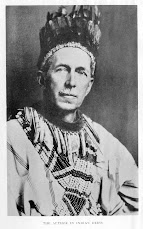
| Published Stories and Articles by Hyatt Verrill | |||||||
| Title | Year | Month | Parts | Magazine | Type | DigitalAvail | Repub? |
| The Living Death | 1922 | Aug | 1 | Action Stories Magazine | ss | ||
| The Honest Buccaneer | 1951 | Jan | 1 | Adventure | pm | Honest Buccaneer | VOS |
| Chips from the Whaleships’ Logs | 1951 | May | 1 | Adventure | ar | Chips | Wr |
| Short Autobiography | 1951 | May | 1 | Adventure | letter | Auto | VOS |
| Through the Crater's Rim | 1926 | Dec | 1 | Amazing Stories Magazine | nv | Through | S1 |
| Beyond the Pole | 1926 | Oct Nov | 2 | Amazing Stories Magazine | na | Beyond | S2 |
| Plague of the Living Dead, The | 1927 | Apr | 1 | Amazing Stories Magazine | nv | Yes | S2 |
| Ultra-Elixer of Youth, The | 1927 | Aug | 1 | Amazing Stories Magazine | nv | Ultra-elixir-of-youth | S2 |
| Man who could Vanish, The | 1927 | Jan | 1 | Amazing Stories Magazine | nv | Vanish | S2 |
| Voice from the Inner World, A | 1927 | Jul | 1 | Amazing Stories Magazine | nv | Inner World | S2 |
| Astounding Discoveries of Doctor Mentiroso, The | 1927 | Nov | 1 | Amazing Stories Magazine | nv | Astounding Discoveries | S1 |
| Psychological Solution, The | 1928 | Jan | 1 | Amazing Stories Magazine | nv | Psychological Solution | S2 |
| Vampires of the Desert | 1929 | Dec | 1 | Amazing Stories Magazine | nv | Vampires of the Desrt | S3 |
| Into the Green Prism | 1929 | Mar Apr | 2 | Amazing Stories Magazine | n | Into-green-prism | S1 |
| Death From the Skies | 1929 | Oct | 1 | Amazing Stories Magazine | na | Death | S3 |
| Feathered Detective, The | 1930 | Apr | 1 | Amazing Stories Magazine | nv | Feathered Detective | S4 |
| Beyond the Green Prism | 1930 | Jan Feb | 2 | Amazing Stories Magazine | na | Beyond | S1 |
| Visit to Suari, A | 1930 | Jul | 1 | Amazing Stories Magazine | nv | Visit to Sauri | S4 |
| Non-Gravitational Vortex, The | 1930 | Jun | 1 | Amazing Stories Magazine | na | Non-Gravitational | S4 |
| Exterminator, The | 1931 | Feb | 1 | Amazing Stories Magazine | ss | The Exterminator | S4 |
| Treasure of the Golden God, The | 1933 | Jan Feb | 2 | Amazing Stories Magazine | n | Treasure-of-golden-god | S4 |
| Death Drum | 1933 | May | 1 | Amazing Stories Magazine | na | Death Drum | S4 |
| Through the Andes | 1934 | Sep Oct Nov | 3 | Amazing Stories Magazine | n | Through the Andes | S5 |
| Inner World, The | 1935 | Jun Jul Aug | 3 | Amazing Stories Magazine | na | The Inner World | S5 |
| Bridge of Light | 1929 | Fall | 1 | Amazing Stories Quarterly | na | BoL | BoL+ |
| King of the Monkey Men | 1928 | Spr | 1 | Amazing Stories Quarterly Vol 1 No 2 | na | King of the Monkey Men | S2 |
| World of the Giant Ants, The | 1928 | Fall | 1 | Amazing Stories Quarterly Vol 1 No 4 | n | World of the Giant Ants | S3 |
| Dirigibles of Death | 1930 | Win | 1 | Amazing Stories Quarterly Vol 3 No 1 | nv | Dirigibles of Death | S1 |
| Monsters of the Ray | 1930 | Sum | 1 | Amazing Stories Quarterly Vol 3 No 3 | na | Images not inserted | S4 |
| When the Moon Ran Wild | 1931 | Win | 1 | Amazing Stories Quarterly Vol 4 No 1 | nv | When the Moon Ran Wide | S5 |
| Notes on the Autochrome Process | 1902 | Jul | 1 | American Amateur Photographer | ar | Notes on Autochrome | |
| Verrill Criticsm | 1928 | 1 | American Anthropologist | nf | Verrill Criticsm 1928 | ||
| The Story of Chocolate | 1908 | Dec | 1 | American Boy | ar | ||
| Popular Science Department | 1909 | Jul | 1 | American Boy | cl | cvr jpg | |
| The Most Historical Spot in America | 1910 | Feb | 1 | American Boy | ar | The Most Historical Spot in America | |
| A Boys Museum | 1910 | May | n | American Boy | cl | Boy's Museum, Part 4 | Pt 1 |
| Useful Hints for Outdoor Boys Pt 3 How to Find Dirction and Distance | 1911 | Mar | 1 | American Boy | cl | ||
| UHOB 4 How to Make and Use Bows and Arrows | 1911 | Apr | 1 | American Boy | cl | How to Make and Use Bows and Arrows | |
| UHOB5, First Aid to the Injured, PSD Nature Puzzles and Their Answers | 1911 | May | 2 | American Boy | cl | as PDF | |
| Comets, Meteors and Shooting Stars | 1912 | Jan | 1 | American Boy | ar | Comets, Meteors and Shooting | Wr |
| Squirrels and their Kin | 1913 | May | 1 | American Boy | ar | ||
| The Care of Pet Rabbits | 1913 | Jul | 1 | American Boy | ar | ||
| ??? | 1913 | Oct | 1 | American Boy | ar | ||
| Mastering the Motorcar | 1916 | Apr | 1 | American Boy | nf | Mastering the Motorcar | Wr |
| Learning to Drive the Motor Car | 1916 | May | 1 | American Boy | nf | Drive Motorcar | |
| Bimshaw, the Pirate | 1918 | 6 | American Boy 1918 - 1919 | sl | Verrill Images\BimshawInitialSerial.jpg | VOS | |
| Various | 1908-1916 | n | American Boy, the 1916, serial??? | sl? | |||
| Avifauna Additions Bermuda | 1901 | July | 1 | American Journal of Science | nf | Avifauna of Bermuda | |
| Descriptions...Goliath Beetles… | 1906 | Apr | 1 | American Journal of Science | nf | Goliath Beetles | |
| Notes on Solenodon paradoxus | 1907 | Jun | 1 | American Journal of Science | nf | Notes on Solenodon paradoxus | |
| Hercules Beetle from Dominica… | 1907 | Oct | 1 | American Journal of Science | nf | Hercules Beetle from Dominica | |
| He Cured a Savage's Stomach-ache and Became a Cannibal Chief | 1931 | Apr | 1 | The American Magazine | about | He Cured | |
| Mummy Mining in Peru | 1930 | Apr | 1 | Art and Archaeology | nf | Mummy Mining in Peru | |
| Science Fiction in 3-D (column w contents abt AHV) | 1955 | Mar | 1 | Astounding Science Fiction | nf | An Obituary for A. Hyatt Verrill | |
| Death Dealers of the Guiana Jungles | 1923 | Mar | 2 | The Atlanta Constitution | nf | Death Dealers | |
| About Verrill on the Birds of Dominica | 1894 | Jul | 1 | The Auk | nf | About Verrill Birds Dominica | |
| Boorabbees and buccaneers | 1928 | Nov | 1 | Blackwood's Magazine, 1928, no. 1357 | nf | ||
| His Vain Search for Adventure | 1930 | 24-Aug | 1 | Boston Globe Sunday | nf | His Vain Search for Adventure | |
| One Shell Builds a Raft to Live Upon | 1936 | Nov | 1 | Boston Globe Daily | nf | One Shell Builds a Raft to Live Upon | |
| Ants Have Beauty Doctors | 1937 | 11-Apr | 1 | Boston Globe Daily | nf | Ants Have Beauty Doctors | |
| Trees are Universal Providers | 1940 | Jan | 1 | British World Digest | ar | digital cover | |
| Fish That Walk and Fly | 1931 | Jan | 1 | Child Life magazine - January 1931 | art | ||
| Peru's President a Benevolent Dictator | 1929 | Nov | 1 | Christian Science Monitor | nf | Peru's President | |
| Animals, of which there are numbers on sand and rock | 1937 | 30-Jun | 1 | Christian Science Monitor | nf | Animals Seashore | |
| The Ship of Death | 1932 | Win | 1 | Complete Underworld Novelettes | ss | ||
| Hidden Gold | 1933 | Sum | Complete Underworld Novelettes | ss | |||
| Mining for Inca Mummies | 1967 | 1 | Conquistadors Without Swords | art | mining_for_mummies | ||
| Danger on the Half-shell | 1945 | Oct | 1 | CORONET Oct 1945 | ar | Danger on the Half-shell | Wr |
| The Adobe House | 1927 | Oct | 1 | Country Life | nf | Adobe House | |
| Insect Fishermen | 1899 | Nov | 1 | Current Literature | nf | Insect Fishermen | |
| The People Who "Eat Alone" | 1916 | Dec | 1 | The Daily Chronicle (Georgetown) | nf | The People Who Eat Alone | |
| Peter, a Pet Woodchuck | 1928 | 1 | Dinty the Porcupine and Other Stories | nf | peter-pet-woodchuck | ||
| The Wild West Show of Buffalo Bill | 1953 | Mar | 1 | Double Action Western | cl | Wild West Show | |
| Know Your Indians:Weapons, Moccasins, Headresses | 1953 | Nov | 1 | Double Action Western | cl | indians-weapons | Wr |
| Know Your Indians: The Cheyennes | 1953 | Sep | 1 | Double Action Western | cl | Cheyennes.html | Wr |
| Know Your Indians:Religions, Beliefs, Ceremonials | 1954 | Mar | 1 | Double Action Western | cl | Indians-Religions | Wr |
| Know Your Indians: The Sioux | 1953 | Jul | 1 | Double Action Western July 1953 | cl | The Sioux | Wr |
| Know Your Indians | 1954 | Double Action Western 1953 1954 | cl | ||||
| Dutton/Verrill/Paget Correspondence | 1916 | 1920 | 4 | Dutton Archival Sources | letters | PDFs | |
| content may exist for this single missing issue, buy to complete collection. | 1914 | Dec | Everyland | ||||
| How the Fog Came | 1915 | Mar | Everyland | ss | How the Fog Came | ||
| Why the Crow is Black and the Loon Speckled | 1915 | Jun | Everyland | ss | Why the Crow is Black and the Loon Speckled | ||
| How the Reindeer Lost their Tails | 1915 | Sep | Everyland | ss | How the Reindeer Lost their Tails | ||
| The Bird That Shaves (ENC) | 1915 | Dec | 1 | Everyland | nf | The Bird That Shaves | |
| A Whaler's Christmas and Another | 1915 | Dec | 1 | Everyland | nf | A Whaler's Christmas | |
| Beche, the Carib Boy | 1916 | Jan | 1 | Everyland | nf | Beche, the Carib Boy | |
| The Diving Boys of the Caribbees | 1916 | Feb | 1 | Everyland | nf | Diving Boys of the Caribbees | |
| Beche, the Carib Boy Part 2 | 1916 | Mar | 1 | Everyland | nf | Beche's Fishing | |
| Fish that Walk and Fly | 1916 | Mar | 1 | Everyland | nf | Fish that Walk and Fly | |
| Three Funny Birds | 1916 | Apr | 1 | Everyland | nf | Three Funny Birds | |
| Insect Ogres | 1916 | May | 1 | Everyland | nf | Insect Ogres | |
| The Gull That Ate The Whale | 1916 | Jun | 1 | Everyland | ss | The Gull That Ate The Whale | |
| My Funny Pets | 1916 | Jul | 1 | Everyland | nf | My Funny Pets | |
| Insects That Build Submarines | 1916 | Aug | 1 | Everyland | nf | Insects that Build Submarines | |
| Beche and the Stranger | 1916 | Sep | 1 | Everyland | nf | Beche and the Stranger | |
| Some Very Strange Plants | 1916 | Sep | 1 | Everyland | nf | Beche + Strange Plants | |
| How Fish Sleep | 1916 | Oct | 1 | Everyland | nf | How Fish Sleep | |
| Some Ants And Their Ways | 1916 | Nov | 1 | Everyland | nf | Some Ants and their Ways | |
| Some Funny Cobwebs | 1916 | Dec | 1 | Everyland | nf | Some Funny Cobwebs | |
| The Story of Chocolate | 1917 | Jan | 1 | Everyland | nf | The Story of Chocolate | |
| The Story of Rubber | 1917 | Feb | 1 | Everyland | nf | The Story of Rubber | |
| The Food made from Poison | 1917 | Mar | 1 | Everyland | nf | The Food made from Poison | |
| Toto the Toucan | 1917 | May | 1 | Everyland | nf | Toto the Toucan | |
| The Carib Story of the Flood | 1917 | Aug | 1 | Everyland | nf | Carib Story of the Flood | |
| The Story of Sugar | 1918 | Oct | 1 | Everyland | nf | The Story of Sugar | |
| Lola's and Valerie's Pets | 1918 | Nov | 1 | Everyland | nf | Lola's and Valerie's Pets | |
| The Story of the first Carib | 1919 | April | 1 | Everyland | nf | The Story of the First Carib | |
| Our Erroneous Ideas Of The Indian | 1953 | Apr | 1 | Famous Western | cl | Erroneous | BoL+ |
| What We Owe the Indian | 1953 | June | 1 | Famous Western | ar | ||
| Mummy of Ret-Seh, The | 1939 | May | 1 | Fantastic Adventures May 1939 | ss | Mummy of Ret-Seh | VOS |
| Coconuts and Cannibals | 1931 | Dec | Far East Adventure Stories | ss | |||
| The Communism of the Incas | 1932 | Oct | 1 | Forthnightly Review | ar | Communism of the Incas | |
| The Art of Photographing Birds | 1901 | Sep | 1 | Frank Leslie's Popular Monthly | ar | The Art of Photographing Birds | |
| The Cicada | 1902 | Feb | 1 | Frank Leslie's Popular Monthly | ar | Cicada | Wr |
| Wings and Feathers (Four Stories) | 1940 | Frontiers Old And New magazine 1940 | nf | Wings and Feathers | |||
| My boat trip through the Guiana wilderness | 1917 | Jan | 1 | Harpers Monthly, Jan. 1917 | nf | My Boat Trip Through Guiana | Wr |
| Proud Merchant Ships of Connecticut | 1935 | 03-Nov | 1 | Hartford Courant | nf | Proud Merchant Ships | |
| Connecticut Men Who Sailed | 1936 | 05-Jan | 1 | Hartford Courant | nf | Connecticut Men Who Sailed | |
| Kenaima | 1922 | Nov | 1 | Hutchinson's Adventure | ss | Kenaima | |
| In the Seas of the Dead Man's Chest | 1923 | 1 | Illustrated London News | ar | Review In the Wake of Buccaneers | ||
| Mystery of the Vanished Past in Panama | 1927 | 13-Oct | 1 | Illustrated London News | nf | ||
| Treasures of Antiquity from South America | 1930 | 15-Feb | 1 | Illustrated London News | nf | ||
| Inestimable Stones, Unvalued Jewels | 1930 | 1 | Illustrated London News | ar | Inestimable Stones, Unvalued Jewels | ||
| Darien Ethnology | 1924 | Oct | 1 | Indian Notes | nf | 1924 | |
| Sabanero-Guaymi Trip | 1925 | July | 1 | Indian Notes | nf | Sabanero-Guaymi | |
| Indians of Surinam | 1925 | Oct | 1 | Indian Notes | nf | Indian Notes 1925 | |
| Excavations in Cocle Province, Panama | 1927 | Jan | 1 | Indian Notes | nf | Indian Notes 1927 | |
| Various | 1952 | Indian Time | nf | ||||
| Illustrations of the Larvae of five Dominican Springidae | 1907 | Nov | 1 | Journal New York Entomological Society | nf | Illustrations of Larvae | |
| Legend of the Crossbill, The | 1899 | 1 | Little Folks Illustrated Annual (book) | nf | Legend of the Crossbill | ||
| Jaunt Through Central Chile | 1925 | Feb 7 Volume 324 | 1 | Living Age | nf | series is on eBay nov 2009. I have requested a scan… | |
| White War Chief | 1954 | 1 | Maine Historical Society manuscript | nv | White War Chief PDF | ||
| Hunting the White Indians | 1924 | Jul | 1 | McClure's Magazine | nf | Hunting-white-Indians | |
| Indian Tribes of Panama | 1954 | 1 | NMAI Archives manuscript | nf | |||
| Report on Indians and Bush Negroes of Suriname | 1 | NMAI Archives manuscript | nf | ||||
| Was Not an Elopement | 1892 | 25-Jan | 1 | New Haven Register | about | Was Not an Elopement | |
| The Oldest City in the World | 1932 | 31-Jul | 1 | NY Herald Tribune | nf | Oldest City World | |
| More Information about the Djukas (Indians) | 1927 | 11-Sep | 1 | NY Times | letter | More Information about Djukas | |
| Finds Dark Indians in Isolated Tribe | 1928 | 06-Mar | 1 | NY Times | ar | Finds Dark Indians | |
| Panama and Nicaragua not the only routes for canal | 1928 | 08-Apr | 1 | NY Times | letter | Panama and Nicaragua | |
| Bearding the Bearded Indian in his Den | 1928 | 22-Apr | 1 | NY Times | nf | Bearding the Bearded | |
| NY Times Solenodon Letter to Ed | 1936 | 04-Jan | 1 | NY Times | nf | NY Times Solenodon | |
| A. Hyatt Verrill Dies in Chiefland | 1954 | 16-Nov | 1 | NY Times | about | AHV Dies | |
| Pepe's Bull Fight | 1923 | Dec | 1 | Open Road for Boys | ss | ||
| Incas' Treasure House | 1931 | 5? | Open Road for Boys Vol XIV # 3 (Mar 1932) Oct,Nov1931,Jan,Feb,Mar,1932 | n | Incas | Wr | |
| Hunting the Sacred Bird of the Aztecs | 1908 | June | 1 | Outing | nf | Hunting Quetzal | |
| Day's Sport in Costa Rica, A | 1896 | Dec | 1 | Outing, December, 1896, Vol. XXIX, No. 3, p. 264-266. (pdf) | PDF w Graphics | ||
| Musk-Ox Hunting Among the Iwilics | 1901 | May | 1 | Outing, May, 1901, Vol. XXXVIII, No. 2, p. 158-163, 122. (pdf) | nf | PDF by others | |
| Some Lands of Opportunity | 1917 | Jan | 1 | Pan-Am Magazine | nf | Some Lands of Opportunity | |
| Verrill’s Autochromatic Process | 1902 | May | 1 | The Photographic Times - Bulletin | ar | Verrill’s Autochromatic Process | |
| Photographing the Human Voice by Radio | 1923 | Apr | 1 | The Photographic Journal of America | ar | Photographing the Human Voice | |
| With Bare Hands | 1935 | Jul | 1 | Pirate Stories | ss | With Bare Hands | |
| Vegetable Life of the Tropics | 1898 | Aug | 2 | Popular Science Magazine | ar | Vegetable Life of the Tropics | |
| Strange Birds and their Habits | 1898 | Dec | 1 | Popular Science Magazine | ar | Strange Birds and their Habits | |
| The Katydid and Its Relatives | 1898 | Dec | 1 | Popular Science Magazine | nf | The Katydid and Its Relatives | |
| Around the Arc Light | 1899 | Feb | 1 | Popular Science Magazine | ar | Around the Arc Light | |
| Cobs and Cobwebs | 1899 | Jun | 1 | Popular Science Magazine | ar | Cobs and Cobwebs | |
| Our North-Eastern Turtles | 1899 | Jul | 1 | Popular Science Magazine | ar | Our North-Eastern Turtles | |
| Eastern Frogs and Toads | 1899 | Oct | 1 | Popular Science Magazine | nf | Eastern Frogs and Toads | |
| Remarkable Habits of Ants | 1900 | Jul | 1 | Popular Science Magazine | nf | Remarkable Habits of Ants | |
| Queer Fish | 1900 | Nov | 1 | Popular Science Magazine | nf | Queer Fish | |
| Corals | 1901 | Mar | 1 | Popular Science Magazine | ar | Corals | |
| Naked Molluscs of the Sea | 1901 | Aug | 1 | Popular Science Magazine | nf | Naked Molluscs | |
| Devil Fishes and their Kin | 1901 | Nov | 1 | Popular Science Magazine | nf | Devil Fishes | |
| The Birth of a Cicada | 1901 | Dec | 1 | Popular Science Magazine | nf | Birth of a Cicada | |
| Notes on a Well-Known Songster | 1902 | Nov | 1 | Popular Science News | ar | Notes on a Well-Known Songster | |
| A Socialist Pirate | 1927 | 1 | Plain Talk Vol 1 Num 1 | ar | A Socialist Pirate | Wr | |
| Notes on the Birds of San Domingo | 1909 | Jun | 1 | Proceedings of the Academy of Natural Sciences of Philadelphia | nf | Notes on Birds of San Domingo | |
| The Real West | 1954 | Feb | Real Western Stories Feb 1954 | cl | |||
| Suwannee Treasure Hunt | 1945 | 02-Jun | 1 | Saturday Evening Post | nf | Suwannee Treasure Hunt | |
| Heads You Lose | 1950 | 04-Nov | 1 | Saturday Evening Post | nf | Heads You Lose | |
| Mansions of Mud | 1929 | Dec | 1 | Science and Invention | ar | Mansions Mud | |
| Side-lights on Perfumes | 1941 | Apr | 1 | Science Digest | ar | ||
| Surprising Facts about the Savages | 1946 | Jan | 1 | Science Digest | ar | ||
| Monsters of Modern Times | 1948 | Feb | 1 | Science Digest | ar | ||
| Built of mud | 1930 | Aug | 1 | Scientific American | ar | Built of Mud | |
| Americas first International highway | 1930 | Jul | 1 | Scientific American | ar | ||
| Who are the mysterious bearded Indians? | 1928 | Jun Jul | 2 | Scientific American 1928 Jun Jul | nf w photos | Who are***in 2 parts | |
| The Mecca of Ancient America | 1931 | Mar | 1 | Scientific American | nf | Mecca of Ancient America | |
| Motoring Through Porto Rico | 1916 | Feb | 1 | Scribner's Magazine | ar | Motoring | |
| And a Little Child Shall Lead Them | 1923 | Apr | 1 | Sea Stories | ss | Little Child | VOS |
| I’ll Learn ’Em | 1923 | Sep | 1 | Sea Stories | ss | I'll Learn 'em | VOS |
| Fightin’ Bill’s Greatest Battle | 1924 | Aug | Sea Stories | ss | Fightin | VOS | |
| Phantom Radio, The | 1924 | Jun | Sea Stories | ss | Phantom Radio | VOS | |
| Red Peter | 1927 | 5 | Sea Stories Feb Mar Apr May Jun 1927 | nv | All 5 on Web | RP+ | |
| Mutiny of the “Athol”, The | 1924 | 05/Jan | 1 | Sea Stories Magazine v 7 #5, January 5 | ss | mutiny-of-athol | VOS |
| Chip’s Ghost | 1924 | 20/Jan | 1 | Sea Stories Magazine v 7 #6 Jan 20 1924 | ss | Chips Ghost | VOS |
| Yo! Ho! And a Bottle of Rum | 1926 | Dec | 1 | Sea Stories Magazine v13 #4, Dec 1926 | ss | Yo Ho Rum | VOS |
| Jury Rig | 1923 | Jul | 1 | Sea Stories Magazine v5 #5 Jul 5 1923 | ss | Jury Rig | VOS |
| Out of the Fog | 1923 | Oct | 1 | Sea Stories Magazine v6 #6 Oct 20, 1923 | nv | Out of the Fog | VOS |
| Hand of Fate, The | 1923 | Dec | 1 | Sea Stories Magazine v7 #3, Dec 5 1923 | nvt | Hand of Fate | RP+ |
| First Shall Be Last, The | 1925 | Mar | Sea Stories Mar 1925 | ss | First Shall | VOS | |
| Bless the Mules | 1928 | Mar | Sea Stories Mar 1928 | ss | Bless the Mules | RP+ | |
| Full and By | 1927 | Oct | Sea Stories Oct 1927 | pm | Full and By | VOS | |
| Pearls Beyond Price | 1927 | Nov | 1 | Secret Service Stories | f | ||
| The Syndicate of Terror | 1928 | Jan | 1 | Secret Service Stories | f | ||
| Trailing the Gun Runners | 1928 | Aug Sep | 2 | Secret Service Stories | sl | TrailingGunRunners 2 | |
| Little Lord Fauntleroy and the Proffessor | 2010 | May | 1 | Southwoods | about | Little Lord | |
| Revisions to Mollusca of Atlantic | 1898 | 1 | Smithsonian Institute | drawings | Mollusca | ||
| Quichua Song and Verse | 1952 | 1 | Smoke Signals | nf | Quichua Song and Verse | ||
| Some Common Bees | 1897 | Aug | 1 | St. Nicholas Magazine | nf | Yes pdf? | Wr |
| Brownies of the Insect World | 1897 | Jul | 1 | St. Nicholas Magazine | nf | yes, PDF on website | |
| City in a Volcano, A | 1897 | Jun | 1 | St. Nicholas Magazine | nf | YeswGraphics | |
| Hunting with a Camera | 1900 | 1 | St. Nicholas Magazine | nf | Hunting with Camera | Wr | |
| A Tree That Grows While You Wait | 1915 | Oct | 1 | St. Nicholas Magazine | nf | Tree That Grows | |
| Flying Head, The | 1939 | Jun | 1 | Strange Stories | ss | FlyingHead | VOS |
| Ghostly Vengeance, The | 1939 | Oct | 1 | Strange Stories | ss | The Ghostly Vengeance | |
| Ancient American Mysteries in Gold | 1932 | 21-Aug | 1 | The Sun (Baltimore) | nf | Ancient American Mysteries | |
| Where the Wife is Boss, Admttedly | 1932 | 28-Aug | 1 | The Sun (Baltimore) | nf | Where the Wife | |
| The Lost Treasures of the Incas | 1932 | 20-Nov | 1 | The Sun (Baltimore) | nf | Lost Treasures of the Incas | |
| Fishing for Gold on the Ocean's Floor | 1933 | 01-Jan | 1 | The Sun (Baltimore) | nf | Fishing for Gold | |
| Prehistoric Miss Americas | 1933 | 22-Jan | 1 | The Sun (Baltimore) | nf | Prehistoric Miss Americas | |
| Seeking a Sunken Galleon's Gold | 1933 | 30-Jul | 1 | The Sun (Baltimore) | nf | Seeking a Galleon's Gold | |
| England's Buried Treasures | 1933 | 26-Nov | 1 | The Sun (Baltimore) | nf | England's Buried Treasures | |
| The Inner World * | 1939 | Spr | 1 | Tales of Wonder | Inner World | yes | |
| Toning Velox and Bromide Papers During Development | 1901 | May | 1 | The Camera | nf | ||
| The Tribal Relationship of the Akawoias | 1917 | June | 1 | Timehri | nf | Relationship of the Akawoias | |
| Glimpses of the Guiana Wilderness | 1918 | 1 | Timehri | nf | Glimpses | BoL+ | |
| Prehistoric Mounds and Relics of…B.G | 1918 | 1 | Timehri | nf | Prehistoric Mounds | BoL+ | |
| Remarkable Mound Discovered in B.G. | 1918 | 1 | Timehri | nf | Remarkable Mound | BoL+ | |
| Where East Meets West | 1916 | Feb | 1 | Travel magazine | nf | Where East Meets West | |
| Into Unexplored Panama | 1922 | Oct | 1 | Travel magazine | nf | Into Unexplored Panama | |
| From the City of the Kings to the Temple of the Sun | 1925 | Jan | 1 | Travel magazine | nf | From City of Kings | |
| Social Contrasts in Peru's Capital | 1925 | Mar | 1 | Travel magazine | nf | Social Contrasts | |
| Little Brothers of the Chilenos | 1925 | Apr | 1 | Travel magazine | nf | Little Brothers | |
| The Strange Ways of the Chileans | 1925 | May | 1 | Travel magazine | nf | Strange Ways | |
| Coasting Down the long Fringe of Chile | 1925 | Jun | 1 | Travel magazine | nf | Coasting Chile | |
| Those Who Worshipped the Sun | 1925 | July | 1 | Travel magazine | nf | Those Who | |
| Rubbing Elbows with the Friendly Chilean | 1925 | Aug | 1 | Travel magazine | nf | Rubbing | |
| Under the Shadow of Ariquepa's Holy Mountain | 1925 | Sep | 1 | Travel magazine | nf | Under the Shadow | |
| My Lifetime of Adventure | 1937 | Apr | 1 | Montana Great Falls Tribune Newspaper | comic/ad | MyLifetimeOfAdventure | |
| Notes on the Fauna of the island of Dominica | 1892 | 1 | Trans. Conn. Acad., VIII pp.315-359 | nf | Notes Fauna Dominica | ||
| Fifty-Two Degrees South | 1928 | Aug | 2 | Tropical Adventures magazine | sl | ||
| Caverns of Bermuda, The | 1908 | Apr | 1 | Tropical and Sub Tropical America | nf | Caverns-of-Bermuda | |
| America's tropical trees: The Palms | 1908 | May | 1 | Tropical and sub tropical America | nf | Palms | |
| The Master of the Bush | 1933 | 1 | True Tales of Pluck and Peril | nf | Master of the Bush | ||
| The Phantom Wireless | 1922 | 22-Jun | 1 | The Washington Post | ss | The Phantom Wireless | yes |
| Origin of the Lowly Vegetable | 1929 | 15-Sep | 1 | The Washington Post | nf | Origin of the Lowly Vegetable | |
| Looking for Adventure | 1930 | 06-Jul | 1 | The Washington Post | nf | Looking for Adventure | |
| Mining for Mummies | 1930 | 13-Jul | 1 | The Washington Post | nf | Mining for Mummies | |
| In Unknown British Guiana | 1918 | Sep,Oct,Nov | 5 | Wide World Magazine | nf | In Unknown Br Guiana3 | |
| Among the Wild Tribes of the Darien | 1919 | Mar | 1 | Wide World Magazine | nf | Among Tribes Darien | |
| Seeking the Copper Mountain | 1923 | May | 1 | Wide World Magazine | nf | Seeking Copper Mountain | BoL+ |
| Among the Amazons | 1926 | June | 1 | Wide World Magazine | nf | Among the Amazons | |
| Pioneering Sage of the Suwannee | 1943 | Sept | 1 | Wide World Magazine | art | Pioneering Sage of the Suwannee | |
| The Lost Mine - Tisingal, in Panama | 1952 | Jun | 2 | Wide World Magazine June July | nf | The Lost Mine -Part1 | |
| Verrill's Process for Producing Photographs in Colour | 1902 | 01-Apr | 1 | Wilson's Photographic Magazine | art | Verrill Colour Photography | |
| Oswald | 1939 | Jun | 1 | World Horizons Magazine Jun 1939 | nf | Oswald | Wr |
| Pompeii of Ancient America | 1927 | Jan | 1 | The World's Work | nf | Pompeii | |
| Fish, Mind Your Helm | 1934 | Feb | 1 | Yaching magazine Feb 1934 | nf | ||
| ??? | ??? | ??? | ? | The Youth's Companion | |||
| The Sole Survivor | 1924 | 09-Oct | 1 | The Youth's Companion | ss | The Sole Survivor | |
| ??? | 1928 | 1 | The Underworld magazine | ||||
| Red Legs, The Pirate | 1919 | 1 | unknown | ss |
Monday, 25 March 2013
Magazines etc. with Verrill


Sunday, 24 March 2013
The Lake of Gold!
The Lake of Gold!
The TRUE Story of the Man of Gold! He used to bathe
in a lake at the bottom of which now lies £300,000,000 in Treasure. It's still
there—waiting for someone to take it!
By Stanton Hope

From
The Modern Boy magazine, 17 February
1934, No. 315, Vol. 13. Contributed by Keith and Brian
Hoyt, digitized by Doug Frizzle,
March 2013.
EL DORADO is a name that has come
to stand for rich gold mines and diamond fields. But its literal meaning is
"The Man of Gold." and there
actually existed a golden man among the
ancient Indians of South America!
One of the
world's most amazing true stories of treasure is linked with the real El
Dorado. At a low estimate £300,000,000 in treasure
lies at the bottom of the
lake where, once a year, the Man of
Gold used to bathe.
If you have a map of South
America handy, take a glance at the
countries in the north above the mighty Amazon River.
On the east is Guiana, then Venezuela,
Colombia,
and down on the west coast Ecuador, Peru,
and Chile, which extends
south to Cape Horn.
The jungle trails of those
countries in the north were the
trails of the old Spanish
conquistadors. The armed hordes of Pizarro and Cortez tramped through the undergrowth, and many left their bones in swamps and on the
high passes of the Andes Mountains.
It wasn't mere love of
adventure that drove those hard-bitten men through a country of wild animals,
poisonous reptiles, fever, and hostile Indians, but the
lure of gold.
In the
fifteenth century, Spanish adventurers learned of the
vast treasure of the Incas. Strange
stories reached the Pacific coast of
cities built with gold, of temples filled with jewels, of a mysterious lake
whose bed was paved with gold. An even more fantastic story was that of a man
of solid gold who lived in the
mountains and had been seen to walk and to swim.
At that time, many Spaniards
were along the coast from Colombia to Peru. On the seaboard of Venezuela
to the north there
was a German colony, and news of the
vast Indian treasures leaked through also to this Caribbean
coast.
Proof was soon forthcoming that there
was solid truth in the stories,
amazing though they appeared.
Individual adventurers returned from
the interior, some of whom
had secured wonderful golden ornaments and rare jewels.
It is safe to say that all the gold got by the
early conquistadors was smeared with blood. The hardy Indians of the Andes did not
trade or present this gold to the
white man. It was taken over their
dead bodies when sword and flame had done their
grim work.
Proof piled upon proof until the facts were established of the
world's most amazing treasure hoard.
To the
south of Colombia was a great
plateau inhabited by the Chibchas, a
powerful Indian tribe who had their
own civilisation and arts. Back there
in the fifteenth century they built stone houses, suspension bridges which
would have done credit to a European engineer, and shrewdly traded salt and other products for gold-dust.
For centuries the Chibchas had been engaged in that trade. They
were a wealthy people, and their
goldsmiths had remarkable skill. For centuries they
made ornaments with gold and jewels, and many of these
were buried in the burial mounds,
called guacas, of the tribe.
At the
head of those Indians was a hereditary prince and high priest combined, and it was he who was known as El Dorado, or the Man of Gold.
At seed-time and harvest the tribe held a great festival at which athletic
sports were held. The youths were splendid athletes, and many a little young
Indian dropped dead in the strenuous
foot races. The chief event occurred at the
famous Lake Guatavita,
a pool nine thousand feet up in the
Andes, and not far from Bogota, the
present capital of Colombia.
For the
ceremony at the lake the prince smothered
his body with the gum from trees, possibly the
chicle gum of the kind used nowadays
for making chewing-gum
The prince felt sticky, but
he was not allowed to remain looking undignified for long. His priests came
with their blow-pipes and wafted
gold-dust all over him. By the time they had done that, he looked like a gilt statue,
and when he walked forth into view of the
great gathering of Indians round the lake, a murmur of awe and admiration rose upon the mountain air.
The lake was no bigger than
many a pond in an English park, and it took little time for the man of gold to voyage in a decorated boat to the middle. There, after prayers and ceremony, he
hurled himself into the lake.

THERE is historical reason
for believing that the dive itself
was hidden from the populace by a smoke-screen made by attendants on
board the craft.
However, the splash was the
signal for great happenings. Uttering mighty shouts the
whole vast crowd produced either
ornaments of gold or jewels, and hurled them
far out into the lake. This
ceremony, mark you, was carried out religiously over the
course of centuries.
These precious offerings were
to appease the tribal god whose home was supposed to be at the
bottom of Lake Guatavita.
The prince himself came out minus most of his gold-dust, and back on board his
decorated craft proceeded to add one or two sackfuls of gold and jewels to the already vast treasure in the
lake.
Two of Pizarro's captains
were the first men to get on the trail of this mighty treasure. The first, who
took a force of soldier-adventurers with him, was set upon and defeated by
Indian warriors who ambushed them.
The second, Captain Gonzalo de Quesada, took a party of 715 men with him. The
existence of the lake was known, but
Quesada had to find out its exact location.
In those days there was only one way for the
conquistadors to find out the
secrets of Indians. They caught every Indian they
could find and put him to the
torture. Quesada's progress was a trail of sword-work and roastings—and the charred bones of brave men who died with the Chibcha secret still locked in their hearts.
The Spaniards were not
squeamish, and they had
determination and pluck despite their
cruelty and greed. Quesada's band gradually melted like the
snow on the Andes
in the summer sun. Still the survivors pressed on, fighting with sword and
pistol against the spears and
blow-guns of the warlike Indians,
who had many old scores to pay off. In the
jungles and swamps fever took its toil, and the
cold nights of the upper Andes picked off others
weakened by wounds and malaria.
Quesada had his troubles,
too, from a party of adventurous
Germans who had made their way from the Caribbean coast.
At last, his determination
and tortures gained him the
knowledge he wanted. He discovered the
situation of the lake of gold, and
after managing to set the Chibcha
Indians fighting with one another,
he reached it with a handful of the
armoured men who had set out with him. Unluckily for himself, practically the whole remaining treasure of the tribe was dumped into the
lake not long before his arrival.
Perhaps there were Indians still lurking in the jungle who smiled ironically at the spectacle of Quesada standing on the lake-shore, baffled. In the
middle that lake was forty fathoms
deep—240 feet—and now that Quesada had found the
cache the problem was how to lay
hands on the treasure.
With his armed men, Quesada
went forth and rounded up hundreds of fugitive Indians and set them like slaves to dig a channel for him.
By means of that channel much
water was drained from the lake, but it was found impossible to empty it.
For all his pains, Quesada got no more than £350 worth of treasure from the £300,000,000
hoard.
Once the
location of this lake
of El Dorado became
known, there were not lacking other adventurers to try to get the wealth sunken in it.
Another
Spaniard, Antonio de Sepulveda, went direct to King Philip II to ask the king's help in draining the
lake. This time the job was done
with more thoroughness, but still the
water remained twenty feet deep in the
middle of the lake where most of the precious offerings had been thrown.
He took out a quantity of
golden ornaments, though, and in those days when precious stones were cheap compared with their
value now, a single emerald taken from
the lake was sold in Madrid for the equivalent of £40,000.
Yet the
treasure hunters had barely scratched this vast treasure. Sepulveda's attempt
came to an abrupt end when his huge draining channel fell in and killed most of
the Indian workers. And once more the lake filled to a depth of over two hundred feet.
All kinds of attempts have
been made since then to reach the lake into which the
man of gold used to dive.
Near the
beginning of the nineteenth century,
Captain Cochrane, an Englishman, went into partnership with Ignacio Paris, a
South American, in a determined attempt to dig out Sepulveda's channel. Like
previous lesser attempts, the
venture was a failure because too much capital was needed for the engineering work, and the
sum was not forthcoming to complete the
job.
IF ever a Chibcha god dwelt
at the bottom
of Lake Guatavita, he must have smiled- at man's
puny efforts to despoil him.
A large company was formed in Bogota City
for a new great treasure attempt. Little was done for three years until, in
1900, the objects and assets of the company
were taken over by an English concern.
This English company had the
princely sum of £30,000 to play with, and that represented a small enough
outlay for the sake of getting a
treasure of £300,000,000.
The work went on for years,
and yet another £10,000 had to be
found to continue the engineering of
a tunnel for draining the lake. When
the water ran out, special
arrangements were made to catch any gold ornaments or jewels which happened to
be dislodged with it.
Imagine the wild excitement of the
workers, when articles of gold, great emeralds, jewelled brooches and rings
were disgorged from the lake.
Those who had thought that,
after all, the story of El Dorado was a fable,
had the solid proof in gold and
jewels before their eyes.
At last, by a shaft through the bottom
of the lake, all the water was drained away. More articles were
found, and the whole lot were worth
some thousands of pounds, but not
enough to give a profitable return on the
capital outlay. The great bulk of the
treasure, had gradually sunk into the
mud of the lake-bed daring the centuries, for gold is one of the heaviest of metals.
The sun blazed down from a clear-sky, and a crust was formed over the dry lake-bed. Almost before digging could be got
under way, this place which once had been a lake had become
a basin of solid concrete!
It had cost a fortune to
drain Lake Guatavita, and now the dismayed engineers recognised that it would take
another fortune to obtain and employ
the means for, breaking through this
sun-baked lake-bed, and delving deep in the
mud where this fabulous treasure lay.
 And if they
did manage to raise sufficient money with which to pay for the machinery and labour necessary for breaking
through, they could not be sure that
they would find sufficient treasure
to make the venture worth while—or
even to pay the expenses. They had
staked a fortune on the chance of
finding the treasure by draining the lake, and now that the
prize had eluded them they were not prepared to take a second chance and
risk losing money in a venture that might or might not turn out trumps. They
decided to give it best!
From
that day to this no other serious
attempt has been made to wrench the
treasure from El Dorado. If you go to Bogota, you can hire a motor-car and drive
over good roads and through magnificent mountain scenery to the place where once the
man of gold used to dive. The lake has filled up again; there
remains the rotten timbering of the tunnel made by the
last engineers, and the ruins of
huts where some of the workers lived.
Look down into that
shimmering water and imagine generation after generation of ancients flinging their precious offerings to the
god of the lake. Forty fathoms down and deep in the
mud of the lake-bed still lies the bulk of a £300,000,000 treasure. Gold and
precious stones, sufficient to transform three hundred poor men into
millionaires, remain there in the Andes.
Will this mighty treasure
ever be recovered? Men still dream and plot how to drag it from the
depths into the light of day.
Meanwhile, the Indians of Colombia say that the
laughter of the lake-god can be
heard when the wind ruffles the surface of the
water!
Another
Splendid TRUE Story Next Saturday, the
Hunting of a Human Tiger! And Don't YOU Miss It!!!
Saturday, 23 March 2013
In the Toils of Tagore! Part x of y
In the Toils of Tagore!
CAPTAIN JUSTICE beaten by TERRIFIC and
UNCANNY POWERS!
Part x of y
By Murray
Roberts
 From
The Modern Boy magazine, 23 March
1935, No. 372, Vol. 15. Contributed by Keith Hoyt; digitized by Doug Frizzle, March 2013.
The Call to Surrender!
GREAT SCOTT—the Flying Cloud! She's done it! Got here just in
time!"
Captain Justice, Dr. O'Mally,
Len Connor, Midge, and the rest of the desperate handful of men who had so gloriously
defended Professor Flaznagel's main workshop, on Justice Island,
since dawn could scarcely believe their
own eyes. Dazed, weary, half-stunned by the
crashing shell-bursts which had at last reduced their
fortress to a mere battered hulk, the
little party stood limp with joy.
They were men whom only a miracle had saved from
certain massacre. Less than a minute before—though it seemed like a year—the spectre of doom
had leered in their faces. Backs to the wall, the
exhausted garrison had prepared themselves
for a last heroic stand against the
savage warriors of Prince Tagore, Wolf of Bhuristan—the
high caste, educated Indian who had raided Justice Island with disciplined
troops, shells, gas, and grenades! The charging Bhuristanis had almost gained their objective. In another
few seconds, triumphant besiegers and stubborn defenders would have clashed in the final brief struggle. But now—
"By James!" Captain
Justice swallowed hard. He screwed his eyes uptight, then
opened them slowly, as if afraid to
find it was all a dream.
But no! The Bhuristanis were
running right enough—running like terrified hares! Those same tall, hawk-faced
warriors who had swept down upon the
garrison so tumultuously were scattering wildly now, yelling, pointing to the skies, fighting each other
in their frenzied efforts to get to the boats.
For there,
out beyond the bay, the sleek, silver Flying Cloud, Justice's monster
airship, was heading for the island
at amazing speed.
Captain Justice's tired eyes
shone. The Flying Cloud, with Professor Flaznagel and the
rest of the captain's men aboard,
was coming to the
rescue in the nick of time. The SOS that
Justice had managed to send out by wireless had been received.
"Forward, lads! It's our
turn now! Don't give the swabs a
chance to turn back and make for the
hills!” exclaimed Justice suddenly, and stumbled on down the
beach, his bearded jaw firm as granite, the
sweat streaming down his hard, sun-tanned face. Dr. O'Mally, Justice's
second-in-command, was at his
leader's heels. Behind them panted
Len, the young wireless operator,
red-haired Midge and the rest of the island defenders.
BETWEEN Len and Midge ran
Prince Budrudin Ananda, rightful heir to the
throne of far-off Bhuristan—the
Indian lad whom the Wolf, his ambitious cousin, had hunted half
round the world.
"Buddy's" dark,
handsome face looked pinched with
strain and privation, but his deep, brown eyes flashed fiercely now with
excitement and the thrill of
victory. As he ran, he kept tight hold of the
superb ruby that hung round his neck. For that was the
most precious thing in his life—the
ancient hereditary Tulwar of Bhuristan, the
fateful talisman whoso magnetic power had brought the
Wolf in pursuit of him to Justice
Island.
"Cowards! Lubbers! Bilge
rats!" shrilled the boy
prince, in the unpolished English he
had picked up from his
rough-and-ready old friend, Cap'n Bully Blake, who lay seriously wounded back
in the workshop. "Come on, scupper them!
Sink the mutinous swabs! Pull up the socks, Cap'n Justice, sahib!"
Captain Justice & Co.
were doing so. They were running as fast as fatigue, heat, and soft, yielding
sand would permit. And the
scrambling Bhuristanis had eyes only for the
approaching monster in the skies.
"All right—slow
up!" Captain Justice stopped short. "No need to waste breath. We can
leave 'em to the Flying Cloud now!
By Jove, Tagore and his fellow-ruffians are just about scared out of their wits!"
It was true. By this time
every ex-raider had quitted the
island. The surface of the small bay
was dotted with dinghies and launches, all racing towards the powerful white yacht anchored out between the headlands. The cries of the
demoralised natives swelled to a high thin wail as the
Flying Cloud closed in. The splendid dirigible skimmed along, barely two
hundred feet above the waves.
"She's got 'em!"
babbled O'Mally, brandishing his rifle. "Bcgorrah, she's got 'em like rats
in a trap! They'll never get that yacht away in time, and if they do the
Cloud'll sink her!"
Captain Justice kept his eyes
riveted on Prince Tagore. It was not difficult to keep that arch-schemer under
observation, even without glasses. His tall, supple figure and the green silk turban he wore distinguished him
plainly from the
mob as he stood in the stern of the leading launch, vigorously urging the toiling dinghies to greater speed. His own boat
swept alongside the yacht at last.
He was the first to spring out on to
the ladder, which he climbed with the agility of a cat.
For a second or two Justice
lost sight of him after Tagore vaulted the
rail. Then again the green turban
bobbed into view. The Wolf, paying no heed to his rattled followers now, was
making aft towards the broad
platform-deck that extended out over the
vessel's taffrail. On that deck, its metal sides flashing back the sunlight, stood a sturdy, long-range seaplane.
Captain Justice's lips curled
as he watched the distant figure of
his enemy lurch up to the plane.
Then ho shot a calculating glance aloft and smiled.
"Trying to make a
getaway on your own, are you, you beauty!" he said. “Leaving your men in the lurch, eh? Well, you're unlucky, my friend—you're
too late!"
There was a yell from the
watchers on the beach as a great
dark shadow rushed across the face
of the waters, dulling the yacht's whiteness. Next moment
the Flying Cloud pounced, blocking the mouth of the
bay with her tremendous bulk. Perfectly handled, she came round broadside-on, then sank lower under whining air-screws. She sank a
fraction too low—and the yacht's
foremast, snapping like a matchstick, crashed overside.
Then clear above the bedlam of cries and howls sounded the rattle of the
airship's guns, spitting out their
harsh call to surrender.
On the
yacht, groups of cowed Bhuristanis huddled together,
their hands fluttering in the air, their
abject eyes fixed on the leviathan
above them. Justice could see Tagore
himself standing, arms folded and head bowed, beside the
seaplane's wing. The Wolf's whole attitude proclaimed his defeat.
"And, by James,"
muttered Justice, as he watched the
distant figure, "I'll see to it that you don't get another opportunity to make mischief on this island!"
Caging the Wolf!
SOMETHING like two hours
elapsed before Captain Justice and his old friend and partner, Professor
Flaznagel, were able to compare
notes.
Meanwhile, the dejected raiders had been disarmed, brought
ashore, and herded into a barbed-wire pen which had been erected on the beach for their
exclusive use!
Young Buddy, overcome by weakness and excitement, had collapsed, and
with Cap'n Bully Blake and the two
wounded islanders had been removed to the
garden behind Justice's shell-wrecked bungalow.
"How the deuce we're going to feed these
infernal prisoners for long, as well as ourselves, the
dickens only knows!" Justice growled; for the
merciless shell-fire had laid waste store and equipment sheds, in addition to the men's quarters, the
wireless-house, hospital, and Professor Flaznagel's laboratory and workshops.
As for the
professor, never had Justice & Co. beheld him in such a temper.
"Monstrous! Wicked! By
heavens. Justice, someone shall pay
for this!" spluttered the
scientist-inventor, striding up to the
captain and his comrades after a
tour of inspection. Flaznagel's short-sighted eyes were snapping with rage
behind his huge, horn-rimmed spectacles. His long, lanky form quivered as he
stamped to a halt.
"Ruined!" he
blared. "My machines, apparatus, everything!" The old man tugged
savagely at his straggly white beard. "Where is the
leader of these confounded
barbarians? Bring the scoundrel to
me, someone! I'll teach him to
destroy my property!"
One of the
men marched up with Tagore, and silence fell as Justice & Co. surveyed their attacker.
By now, Prince Tagore, the Wolf of Bhuristan, had recovered some of his arrogance and poise. He stood calmly
erect, turbaned head thrown back and a faintly contemptuous smile on his lips.
His wrists were bound, and the
escort's grip was firm on his arm, but neither
indignity seemed to affect him in the
least. Nor did he appear troubled by thoughts of punishment. Only the deep, hard glitter in his narrowed eyes warned
Justice that the Indian's spirit was
still unbroken—still dangerous.
Professor Flaznagcl, however,
unimpressed by Tagore's disdainful bearing, snorted:
"So you're the saddle-coloured scamp who has caused us all this
loss, danger—and inconvenience!" he stormed, and had the satisfaction of seeing Tagore stiffen at the withering
insult. "You rascally bully! All this for the
sake of vengeance on a mere boy, whose royal father
you have slain simply to install your own worthless sire on an Indian throne!
By Jove, it passes all bounds!
"You vandal! I am not in
the least interested in your
confounded Bhuristani politics, but I am interested in the
wanton damage you have wrought here! And for that, as well as your other crimes, I shall see that you pay the severest penalty!"
"How dreadfully
alarming!" drawled Tagore, in his faultless English, then darted, a flashing-glance at the captain. "Do you usually torture prisoners
by compelling them
to listen to this vapouring old fool?" he sneered. "Come, enough of this! For the
present, I am helpless in your hands, but I demand the
treatment that is due to my rank. May I remind you that I am Prince Tagore
Ananda, of Bhuristan, and not a dog to be dragged about or cooped up in a wire
cage? I will, of course, offer you my royal parole—"
"Thank you; I think
not!" Justice's icy voice froze the
man's insolence. '"You are a dangerous prisoner, Tagore, and you'll be
treated as such!"
TAKING a sudden stride
forward, Justice looked his enemy squarely in the
eye.
"Also," he snapped,
"I am telling you now that I shall exert all the
energy and influence I possess on behalf of your cousin, Budrudin Ananda. You
and your father—who, I gather, is but a puppet in your ambitious schemes—have
robbed the boy of his throne and
friends and turned him into an exiled orphan and fugitive. It is useless his
appealing to our Indian Government, or any other,
since Bhuristan is an independent kingdom,
so I'll take the job on myself. By
James, I'll not rest until I see Budrudin Ananda restored to his rightful
position as Rajah of Bhuristan—if I have to hang you, your father, and all the
rascally priests who aided you."
Thus Captain Justice
proclaimed himself Budrudin's champion. Professor Flaznagel nodded his
satisfaction, but Tagore stood very still. It seemed to have dawned on the imperious Indian that, in tackling Captain
Justice & Co., he had twisted the
tiger's tail!
The sneer passed from his face. As he opened his lips to speak, Justice
made a brusque gesture.
"Baker," he said,
"you will escort the prisoner
to the Flying Cloud. He'll be safer
inside, and we'll go deeper into this matter after a night's rest. Lock him in
that spare cabin next the
wireless-office—see that he is bound securely! Post a sentry outside, and give
orders for a relief to take over every two hours. And feed him. That's
all."
"Yes, sir."
Baker shifted his grip a
little, preparatory to marching the
captured Wolf away. As he did so, Tagore wrenched himself free, with sudden
violence, and thrust his distorted face into the
captain's.
"That is all, you
say?" he snarled, his eyes glowing like hot coals. "By the gods you are wrong, Captain Justice! This is not
ended yet! You will win back Budrudin's throne! You will fight for that brat
and wreck my hopes and plans!" He flung a taunting laugh in Justice's teeth.
"You puny fool! You
feeble, dull-witted white clod, what do you know or even guess of the power of Tagore and the
Priests of Bhuristan? Nothing! But you will! I tell you that—"
"Oh, take him away,
Baker!" snapped Justice irritably; and the
escort took another grip on his man.
When he had gone, Justice
produced his cigar-case and tapped it meditatively, and Professor Flaznagel
polished his spectacles with energy.
"A very pretty rascal,
that, Justice!" he
exclaimed, and shook his shaggy head. "Bhuristan, eh? Sandwiched between the Afghan-Kirghaz borders, I believe. Curiously
enough, Justice, we have been exploring in that direction—surveying and
photographing the hidden mineral
lands in Kurdistan, to be precise. And really,
I am positive that I have made some
discoveries of great scientific value. Er—h'm! Yes, quite so."
Realising suddenly that his comrades were becoming
restive, the enthusiastic but
absent-minded professor brought himself back to the
subject in hand.
"Naturally, we did not
visit this Bhuristan country. To be candid, we really did not relish crossing the extremely high and dangerous mountains in that
region; and I fear that if you are seriously intent on—er—invading Bhuristan
you will find yourself faced with some
exceedingly formidable obstacles. But, of course, my dear fellow," he
added hastily, "we shall surmount them!
I am with you heart and soul in this campaign on behalf of that most
unfortunate youth—if only to punish his scoundrelly cousin and uncle!
"My goodness!"
Again the professor blinked angrily
at the blackened buildings, rapidly
blurring into shapelessness in the
dusk. "The villain has done us an evil turn! Thank Heaven we were on our
way back to-day! Near enough, in fact, to pick up your rather
indistinct SOS!"
"So it was little me and
the wireless that saved the day after all!"
"Yes, that was good
work, Len!" smiled Justice, clapping the
young wireless operator on the
shoulder. "But I'm afraid I've got to ask you to put in still more work on
the wireless before the night's out. Go along now and snatch some sleep, and I'll leave word for you to be called
just before twelve. Then get aboard the
Flying Cloud and get through to Oliver, our Trinidad
agent, by wireless. Tell him what's happened. We need a full cargo of supplies
as quickly as he can get them out to
us. And we'll want temporary frame-huts, and so on, while the township's being rebuilt. Is that clear?
"Right! Well, that ought
to take about half an hour, I suppose, so when you've finished, Len, relieve the guard and stand by Tagore till you are relieved.
Take a good look at his bonds, and see that he can't get up to mischief. Otherwise, give him anything he wants, in reason, and
leave him alone. But have a sleep first—you need it."
"Right!" Len
grinned cheerfully. "And if Mister Tagore wants trouble I'll give him
that, too, and welcome."
"Now, doc," resumed
Justice, when Len had hurried off in search of sleeping quarters, "you'll
take charge of your patients, of course. Midge, you help Ham Chow to rustle up
some sort of meal—and try not to
scoff it all yourself, you imp! I'll attend to the
guards round the barbed wire, and
we'll sleep turn and turn about." Justice yawned, and smiled wryly. "I
could sleep on a bale of barbed wire this moment.
It's been what you might call a trying day!"
"Cut My Bonds!"
IT was eleven-forty-five when
Len Connor, who had bedded down on the
beach, was awakened by his leader. The tall youngster sat up with a start,
blinked hazily at the stars while
his drowsy wits stirred, then
scrambled up. Captain Justice, he saw, was leaden-eyed.
"Gosh, you look all-in,
skipper!" he exclaimed.
"I am rather tired," Justice admitted. "However,
I've made my last round, lad, so I can turn in now, thank goodness! Here's a
flask of Ham Chow's coffee for you. Be off now, and get in touch with Oliver
!"
"I'll get him, sir.
Good-night!" And Len was off.
The Flying Cloud had been berthed with her stern on the
debris-littered airship ramp, her slender bows jutting out over the waterline of the
bay and pointing directly to the
ghostly shape of Tagore's yacht, which rocked at anchor three hundred yards
off-shore. Len, refreshed by the
cool night breeze, ascended to the
airship's central car. In the communicating-way, where a single light burned, the sentry awaited him.
 "Hallo, Johnson!"
said Len. "Any trouble from his
Nibs?"
"Not a bit, Mr.
Connor!" grinned Johnson. "Reckon he's a mighty tame wolf now, sir!
Anything you want me to do before I pop off?"
"No, thanks, old son!
I'll look in on him presently." Then Len entered the
wireless cabin, where, for the next
five and twenty minutes, he was busy wirelessing the
stirring tidings to a certain discreet and energetic gentleman in Trinidad. Then he went next door.
Tagore lay on the bunk, fully clad, his wrists and ankles tied. A
shaded bulb filled the cabin with
soft light. On Len's entry, the
prisoner turned his head.
"Ah! The estimable Mr.
Connor, I believe?" he purred, shifting his position a little. Len stepped
nearer.
"Is there anything you require?" he asked coldly,
but politely.
Tagore stared at him for a moment intently.
"You are gracious,"
he replied at last. "To tell the
truth, Mr. Connor, I am positively dying for a smoke—that is, if prison rules
permit. None of my former guards would come
near me, alas! My cigarette-case? Yes, it is here in my breast-pocket. Ah,
thank you! That is kind!"
Len, whose good nature was a
byword among his comrades, fumbled
inside the Indian's tussore jacket, then took out a gold and platinum case. Captain
Justice had said that the prisoner
might have what he wanted—in reason. Len placed a thin brown Russian cigarette
between Tagore's lips, lighted it, and the
Wolf puffed contentedly.
"The Good Samaritan,
eh?" he murmured. "I needed this, Mr. Connor. If you like to empty
out the cigarettes, you may keep the case as a souvenir. No?" He laughed softly
as Len shook his head, and eyed him keenly again,
"Let me see," he
drawled. "You are the wireless
officer in this most interesting organisation, are you not? Indeed, from what I hear it was you who brought this
detestable airship in such haste to the
rescue—yes?"
Len nodded. He began to back
away, made uneasy by the man's
curiously penetrating stare, yet unable for some
reason to shift his own gaze. A frown appeared on his brow as he stood looking
down into Tagore's tranquil face wreathed
in wisps of smoke.
Len's worried air deepened
unconsciously. He was no longer edging back, though he did try halfheartedly to
turn away. He became dimly aware that a queer sensation of rigidity was
stiffening his muscles, yet, oddly enough, the
fact seemed unimportant. A return of weariness, perhaps. Tagore had begun
talking again, in a flat, toneless voice.
"I—" began Len. But
whatever remark he had intended to make halted on his lips. Again he strove to
turn away, and again the impulse died.
There was something wrong, he told
himself. But what was it?
That smooth brown countenance
on the pillow was utterly devoid of
expression. Only the brilliant eyes
had any life in them. But the pupils—almost jet-black they
looked now seemed suddenly larger—more piercing than ever. And still Tagore lay
motionless in his bonds, talking quietly, trickling smoke through his nostrils,
and staring—staring—
It dawned on Len that
Tagore's look had changed subtly to one of terrific intensity—as though with
all his Oriental soul he was striving to do—what? Len's mind felt sleepy—clogged.
Then suddenly a wild throb of fear fluttered his heart.
With every jot of mental
energy he possessed, the youngster
struggled to turn then—to fling off the weird inertia stealing over him—to fight against
the Indian's hypnotic stare? A
numbing coldness was spreading through him—the
lethargy, as he realised with sick despair, of departing will-power. He tried to turn and
run, but his feet were leaden weights. And still Tagore continued to talk
gently at him through the
cigarette-smoke.
"Yes, you are the wireless officer, Mr. Connor. It was you who
summoned help," he droned on; then
suddenly smiled, a slow, mirthless smile. Without raising his voice, he said:
"And now will you please
cut my bonds, Mr. Connor?"
Len moved forward. His
penknife seemed to come out of its
own accord. The blade sliced through knotted cords. Prince Tagore of Bhuristan
rose slowly, stretched himself, and rubbed his wrists.
LEN CONNOR stood and watched
him. The young wireless operator's eyes were glazed, like the eyes of a sleepwalker. His arms dangled loosely
at his sides; his face was a blank. He was in a state of suspended animation.
One could have heard a pin drop in the
cabin as the Wolf of Bhuristan
studied his victim closely.
Tagore expelled a long breath
at last, and lit another cigarette.
“And there
you are, Mr. Connor!" he said. "As I explained to your bumptious
captain, my young friend, there is
much he does not know of Tagore's peculiar powers—of the
powers of the East. Hypnotism, dear
Mr. Connor—one of our finer arts! Being tired, you succumbed even more easily
than I anticipated!"
His hands—long and slender—moved
rhythmically to and fro across Len's eyes. But Len never blinked. Tagore
shrugged, and flicked him spitefully on the
chin.
"Ay, hypnotism!" he
rapped "Now listen to me! You will do exactly as I tell you! You will obey
every order! You are mine, do you understand? Speak!"
"I will obey," Len
replied unemotionally. Again the
smile lighted the Indian's eyes.
" Good! Now answer questions!
Are there any more men on
board?"
"No."
"Any men aboard my
yacht? Has the yacht or the seaplane been tampered with in any way? Speak!"
"Two sentries on the yacht. The seaplane has not been touched."
"Excellent!" The
Wolf tossed up his head exultantly. "Then I will inspect this wonderful
airship now—the engine-room first, I think! Lead the
way, Mr. Connor. And tread very quietly. Go!"
Len turned, stiffly as a
clockwork figure. He opened the
door, and marched unseeingly along the
alleyway. His rubber-soled shoes made hardly a sound. Tagore prowled behind
him, stride for stride.
All was as still and dark as
a vault. They came to the huge
forward car—the engine-room and nerve centre of the
mighty dirigible. Len's hand went out automatically
to the electric switchboard, but
Tagore forestalled him. He shoved the
youngster farther on into the darkness, then
patted Len's pockets, and found his flash-lamp.
The torch-ray travelled down the long, narrow compartment,
revealing rows of shining levers, the
intricate array of control-dials and gauges, the
four powerful engines, like sleeping monsters under their
sleek, open-ended casings. For several minutes Tagore eyed, them thoughtfully. Then suddenly the swaying beam picked out a door at the far end.
The Wolf asked no question,
but some uncanny flash of
thought-telepathy compelled the mesmerised Len to speak.
"That door” he announced
woodenly, his voice hollow and lifeless, "opens into the small laboratory which Professor Flaznagel
maintains on board."
"Ah!" Tagore's eyes
widened at the importance of the discovery. His fingers dug into Len's shoulders
like steel hooks.
"You will stay here! Do
not move or speak—understand?" he snapped, and was away in a moment.
Unfortunately, in his haste
to get ashore, Professor Flaznagel had neglected to lock the
door of the adjoining room, which was his most cherished and perfectly
equipped laboratory, Tagore purred as he swept the
torchlight across well-stocked shelves, shockproof cabinets and containers, and
the wondrous collection of
instruments, apparatus, and electric switches. Then he flitted across to a
glass-topped bench and fell swiftly to work, selecting bottles, phials, and
retorts with practised ease.
Twenty tense minutes passed
in a silence broken only by the
occasional clink of glass and the
soft hum of an electric furnace. Outside, the
silence of the night brooded over Justice Island undisturbed.
Tagore vacated the laboratory at last, walking with quick steps and
hugging something under his jacket.
He set it down with care, and flashed the
torch on Len, who still stood as Tagore had left him, his dormant facilities
chained to the will of the Indian master. Tagore nodded, then went to work again, faster than before.
Five minutes later the stinging fumes of acid tainted the air, and a flush of triumph darkened his face.
He dragged Len out into the alleyway
once more.
"And now," hissed
Tagore of Bhuristan, "for my yacht! Since you were chiefly instrumental in
capturing me, Mr. Connor, you will continue to assist in my escape."
“You will Silence the
Sentries!"
UNDER the
light in the alleyway the Indian halted, and again his hands flickered
across Len's immobile face. Satisfied, he caught the
young wireless operator by the wrist
and stole on to the open doorway
through which Len had entered the
Flying Cloud.
Tagore peered out warily. Not
a light showed anywhere down below, but he made out the
dim figures of the sentries moving
round the wire pen farther up the
beach. He went down a few rungs of the
ladder, and, craning his neck, saw a line of captured dinghies and launches
beached beneath the Flying Cloud's
bows. He chuckled softly, returned to Len's side, and once again brought his
uncanny powers of thought-transmission into play.
The road was clear. In another moment
the escaping Wolf of Bhuristan was
climbing noiselessly down to the
beach, Len following like an automaton.
The inky shadows under the airship
engulfed them both. Tagore eased a
light yacht's lifeboat into the
water and lifted his helpless assistant bodily on to a thwart.
For a second he remained
staring up the beach.
"I would dearly love to
rescue my men, Mr. Connor, but"—he shrugged callously and slipped into his
own seat—"it is too risky, I fear, and I can always find more men. As for
that brat, Budrudin, and the Tulwar"
—Tagore scowled as he fitted an oar soundlessly into the
rowlock—"they must wait, too!
The battle is not nearly over yet."
Strongly, skilfully, the Wolf began to pull. The bows of the Flying Cloud screened the
dinghy from possible watchers until
it was safely out into the bay—a
phantom shape amid black waves. In
any case, there were no watchers
near by—only tired men fast asleep on the
sands.
Two yawning sentries on his
own yacht were all that barred the
fugitive's way now.
Half-way to the yacht he swerved off in a wide detour that
brought him unobserved under the
vessel's stern. From there he allowed the
current to sweep him round to the
ship's ladder on the starboard side.
As the little boat floated on, he
steered it deftly with one oar. Suddenly he pressed a heavy brass rowlock into
Len's limp hand.
"And now," he
directed coolly, "you will go aboard my yacht, and you will silence the guards! You understand? Go!"
Poor Len obeyed. Like one in
a trance, he stepped quietly out on to the
ladder while Tagore steadied the
boat, and climbed up it. There sounded a quick, startled cry and the patter of feet as his head and shoulders loomed over the
rail. Then a light flashed in his eyes and two voices sang out breathlessly:
"What's up? Great Scott,
it's you, Mr. Connor! Anything wrong ashore?"
The guards stopped and
stared, struck by Len's peculiar expression. Then suddenly, without warning—Thud!
Crack! Swiftly, jerkily, Len's loaded fist shot out twice in bewildering
succession.
Those punches broke down
Tagore's last obstacle. Both blows snapped home
with fearful force and precision, and the
two sentries dropped flat, knocked clean out. Hearing the
dull thuds on deck, Tagore came swarming up the
ladder.
"Thank you, Mr. Connor!
You are quite a hitter!" he sneered, snatching the
rowlock and stooping over the
prostrate sentries. "Yes, both insensible. There remains only one more
task for you, my friend."
Chuckling to himself, Tagore
seized Len and dragged him along the
deck and up on to the bridge. At the head of the
companion a machine-gun stood
mounted on a swivel tripod. He jerked off the
tarpaulin hood, clicked an ammunition drum into the
breech, and swung the weapon round
till its muzzle pointed down at the
deck and rails. And then he snapped
more orders into Len's passive brain.
"You will do as I bid
you! You will not stir from here!
You understand that? You are still mine!" he snarled. "By the gods, it will be a sweet revenge! Hark!"
A roaring explosion on shore
shattered the stillness of Justice Island.
With the
terrifying violence of a tropical thunderclap the
savage detonation crashed through the
night. It shook the air, set the seabirds screaming and wheeling, and jerked men
headlong from their
slumber. Captain Justice came staggering to his feet, and other figures sprang up all around him. It was Midge
who first realised the awfulness of the catastrophe.
"The Flying Cloud!"
he yelled. "Look—look!"
"By James! Tagore!"
rasped Justice instinctively.
Disaster had overtaken the Flying Cloud. Through splintered windows and
ports in the forward car smoke
gushed—smoke that was tinged with the
hot, red glare of leaping flames.
"The engine-room!" shouted a score of voices, and Flaznagel
uttered a heartrending groan. These men rushed onwards, up the ladders, into the
central car.
There they
stopped. It was impossible to go forward into the
danger zone, for the communicating-way was filled with dense clouds of
smoke and bitter fumes. Justice sniffed once and clapped a hand over mouth and nostrils,
his face pale beneath its coat of tan.
"Picric acid!" he
gasped. "Set off by a fuse-bomb,
too, I'll swear! Someone's been at the professor's laboratory! Back, everyone!"
Spinning round, Justice made
a dash for Tagore's cabin. He was back again in seconds, bristling like an
angry panther.
"He's gone! Connor's
missing, too! By James, I'll—What's that?" Justice exclaimed fiercely, and
everyone froze to a standstill.
IT was a sudden outburst of
sound from the
bay—the hoarse roar of an aero
engine warming up! Justice reeled for a moment
under the shock; the next he was on his way to the
ladder once more.
"Come
on!" he barked. "Into the
launches! We might stop the beggar
yet! Midge, tell the guards to watch
those prisoners! Baker, take charge of the
fire-squad! Follow me, the rest of
you!"
Recklessly the pursuers slid down to the
beach, piling into launches, dinghies—anything that would float. The increasing
bellow of the seaplane's engines
spurred them on. Justice's
speedboat, piloted by O'Mally, won the
race to the yacht. Without a word, the captain went aloft hand over fist, and then:
Brr-rr-rr-rrrr-r ! The
crowning blow descended just as he drew his revolver and whipped over the rail. Only coolness and miraculous agility saved
him in that moment. He clucked and
rolled over, warning his followers back as he did so. From
the bridge another
burst of bullets slashed down, cutting up the
deck, rattling against the rails.
Justice's blood ran cold.
“Connor—Len!" he croaked, for at that
instant the lights in the seaplane's cabin went on, casting a bright glow
over the bridge and its solitary
occupant. A harsh shout rang out from
the boats in the
bay. Captain Justice clasped his aching head.

He felt stupefied, unable to
think or move. The Flying Cloud's engine-room
wrecked, Tagore escaping in his own plane, and now Connor was covering the Wolf's retreat! Len was up there on the
bridge behind a machine-gun, waiting to mow down his own comrades as they
rushed aboard.
It must be a dream! Len
Connor, sharer of so many of his adventures, would never aid Tagore to escape
and turn on his comrades like this!
But it was no dream. There on
the bridge stood Len, waiting to
shoot anybody who approached him!
"Connor! Len, my
boy!" cried Justice; but his husky appeal was blotted out by the sound of a full-throated roar as a huge,
all-metal seaplane skimmed off its runway and zoomed
into the star-spangled heavens,
pursued by futile shots from the water. Tagore, the
Wolf of Bhuristan, had slipped his chain!
With true Indian cunning
Tagore has made his getaway, but he has not finished with Captain Justice & Co. yet. He hands them a VERY startling reminder of himself in Next
Saturday's Murray
Roberts thriller!
Subscribe to:
Posts (Atom)